15 May 2026 10:00
Since the second half of the nineteenth century, Japanese art has been gaining a foothold in Europe. European artists are becoming increasingly interested in traditional Japanese art. When Japan exhibited its art at the World’s Fair in London in 1862 and in Paris in 1867, it caused a real sensation. Kimonos, fans, parasols, lacquerware and folding screens proved hugely popular with the European public. The Art Nouveau movement drew much inspiration from Japanese art.
Bamboo
Bamboo, which originates from China, has been cultivated in Japan since ancient times. This plant has a tree-like growth habit with thick, hollow stems. A characteristic feature of bamboo are the ‘knots’ that interrupt the stems. These knots form the attachment points for the leaves. In traditional Japanese culture, bamboo is used for all kinds of crafts and was a popular ingredient in Japanese cuisine. Nowadays, many bamboo forests have had to make way for urbanisation. Many important temples still have bamboo groves, however. Here in the West, the so-called Japandi (a blend of Japan and Scandinavia) interior style is currently very popular. A material like bamboo, which feels natural and pure, fits seamlessly with this calm and functional interior trend.
Ginkgo
The ginkgo leaf was a favourite subject for Art Nouveau artists. Furthermore, its exotic fan shape also fits very well into Art Deco interiors. Ginkgo leaves come from the Japanese nut tree (Ginkgo biloba). The Japanese nut tree is a living fossil, as it is the only surviving species of the Ginkgo genus. This makes the Ginkgo leaf particularly special. The Ginkgo leaf is an elegant, graceful and clear leaf that is timeless and at the same time exudes a certain mystery. The Ginkgo was Goethe’s favourite tree. He wrote a poem in which he poetically described his love for the leaf of the Japanese nut tree:
This leaf from the tree, which was entrusted to my garden
from the East,
bestows upon the wise a meaningful secret,
through which ‘insight’ is built.


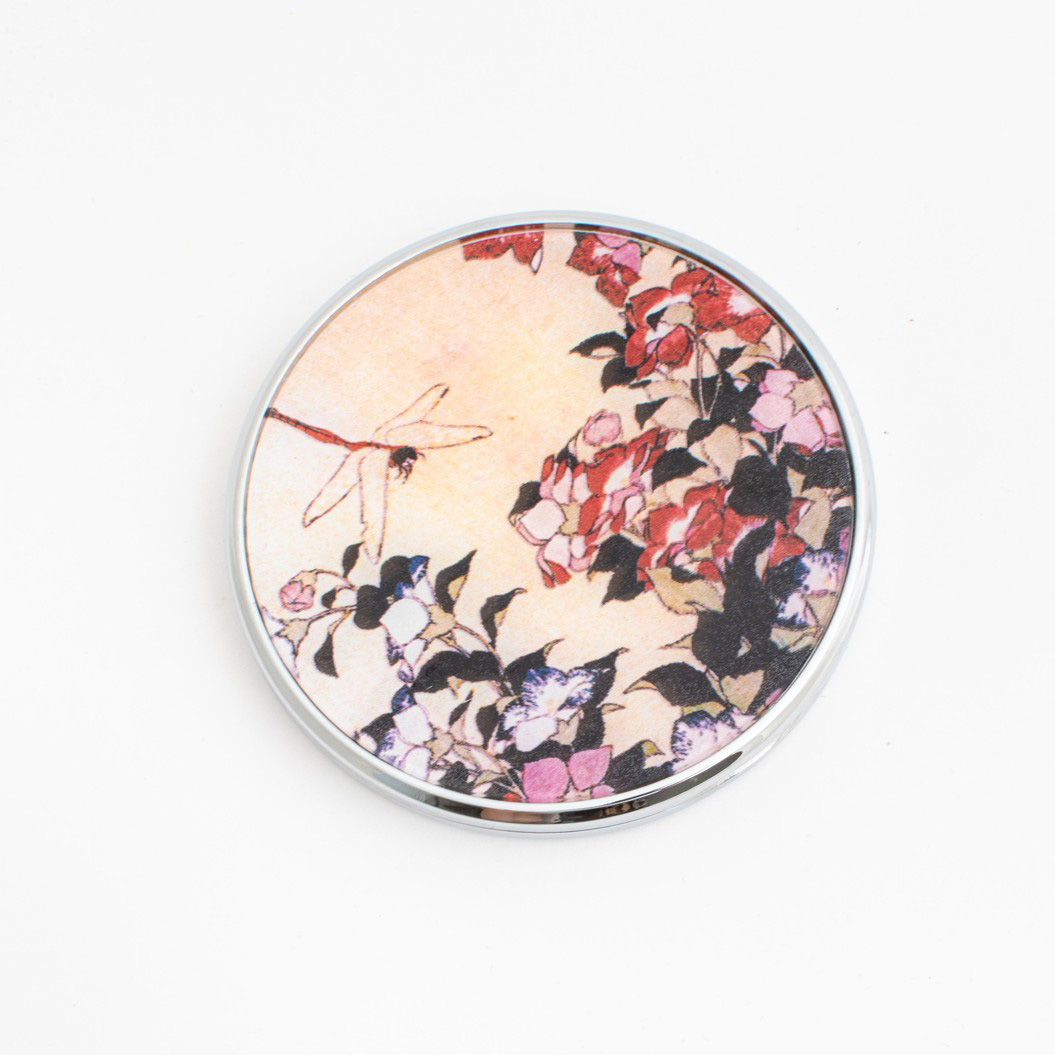
Japanese woodblock print (Ukiyo-e)
Ukiyo-e is Japanese for ‘pictures of the floating world’. It is a form of woodblock printing from Japan, which became popular in Europe from the mid-18th century onwards and had a major influence on the European art world. The motifs were largely determined by the preferences of the nobility, such as courting couples being watched by a maid and beauties in elegant kimonos. In addition, landscapes, particularly those featuring Mount Fuji, were a much-loved subject. A single print requires several woodblocks, one for each colour, which must fit together precisely. The craftsmanship of the woodcarvers played a major role here. Hokusai is regarded as one of the greatest ukiyo-e (woodblock print) artists.
Explore the unique Japanese influences within the Antique Style Webstore collection and feel completely zen!
 ordered before 12:00, shipped today
 customers review us with 4.8/5
 🎁 For all dads Father's Day


 Send us a WhatsApp text
